How to Make Long Drives Less Tiring
Get WanderWay on the App Store. Free to try, then a one-time unlock.
Long drives wear you out for two reasons: your body stays in one position for hours, and your brain gets little to do. The fix is the same for both. Start rested, drive at the right hours, stop on a schedule, and make each stop worth getting out for. A trip built from short legs that end somewhere interesting is far easier than one long stretch of interstate. That is the idea behind WanderWay, a driving app that plans scenic stops and tells you the story of the places you pass.
Make Long Drives More Engaging WanderWay pairs navigation with scenic stops and live stories, giving long drives more engaging places to pause along the way. Visit
TL;DR
- Sleep is the only real protection against drowsy driving. NHTSA says to aim for seven to eight hours before you leave.
- Stop about every two hours, or every 100 miles, and plan the stops before you go so you are not hunting for one when you are already tired.
- Avoid the sleepiest hours, roughly midnight to early morning and the mid-afternoon dip.
- Coffee, cold air and loud music do not cure tiredness. A 20-minute nap in a safe, lit place does more.
- Share the driving, keep passengers engaged, and turn breaks into short, enjoyable detours.
Start the day before you leave
A tiring drive often begins the night before. NHTSA says seven to eight hours of sleep is the only true protection against drowsy driving. The NSW Government goes further: being awake for about 17 hours affects driving similarly to a blood alcohol level of 0.05. If you work a full day and then set off at 6 p.m. for a six-hour drive, you are starting the drive already near that point.
A few habits make the morning easier:
- Pack the night before. Bags, snacks, water, chargers and a small first-aid and safety kit go in the car while you are still fresh.
- Get the car checked if it is due. Consumer Reports suggests having a trusted shop look over a car that has not been serviced in more than a year, and carrying a flashlight, duct tape, basic tools, a tire gauge and a portable jump-starter. A breakdown on a hot highway shoulder is tiring in its own way.
- Wait a little after waking. The NSW Government notes that sleep inertia, the groggy feeling after you wake, lasts 15 to 30 minutes, and advises waiting about 30 minutes before driving.
- Choose a realistic day. The UK’s AA advises no more than eight hours of driving a day. Queensland’s road-safety program sets a ceiling of 10 hours. If your route is longer than eight hours of wheel time, split it across two days and book the overnight stop in advance.
When you map the trip, look at the day as a series of legs, not one number. Ten hours on the clock becomes five legs of two hours, each ending at a place you picked.
Pick your hours carefully
Your body clock matters as much as the miles. The Wisconsin Department of Transportation says that between midnight and 7 a.m. nearly everyone is sleepy, and recommends staying off the road then. New York State’s health department lists 1 p.m. to 4 p.m. and 2 a.m. to 6 a.m. as the windows to avoid. The NSW Government reports that the risk of a fatal fatigue crash is four times greater late at night and early in the morning.
In practice:
- Leave early, but not in the middle of the night. A 7 or 8 a.m. start puts your longest leg in the morning, when you are most alert.
- Plan the afternoon dip as a break. Schedule lunch and a walk for the early-afternoon slump instead of pushing through it.
- Be done before late night. Arriving at 9 p.m. is better than arriving at 2 a.m. with a heavy-eyed last hour.
If you commute long distances, the same logic applies to the drive home. A short walk before getting back in the car after a long workday is worth the five minutes.
Stop every two hours, and plan the stops
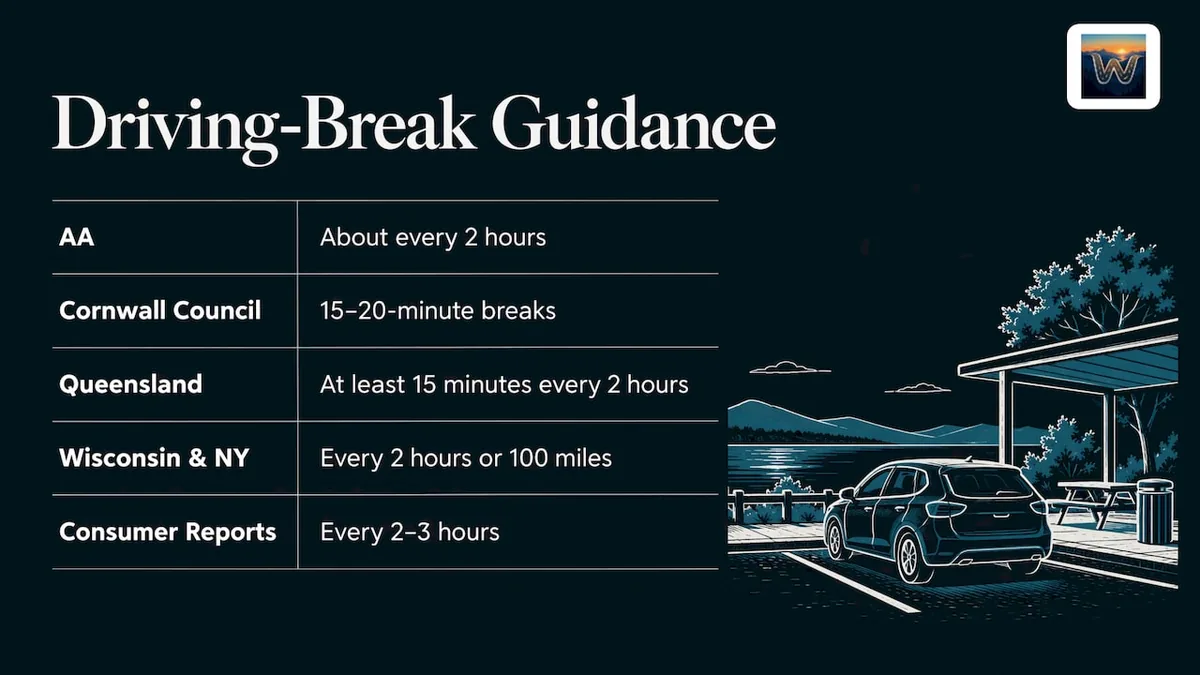
The advice is remarkably consistent across sources. The AA says to aim to stop every two hours or so. Cornwall Council suggests breaks of 15 to 20 minutes. Queensland’s program recommends at least 15 minutes every two hours. Wisconsin and New York both say every two hours or every 100 miles. Consumer Reports puts it at every two to three hours.
The trouble is that most people treat stops as a chore. They pull into the first exit with a gas station, stand around, and leave after six minutes. A good stop does three things: it gets you moving, it gets you out of the car’s air, and it gives you something to look forward to.
What to do in a 15-minute break
- Park, step out and walk briskly for a few minutes.
- Do the stretches below.
- Drink water. The research-backed advice is not to wait until you feel thirsty, and a bottle in the cupholder makes that easy.
- Eat something light. New Zealand’s Drive site recommends light fresh foods and avoiding fatty, sugary or carb-heavy meals, which tend to make you sluggish.
- Use the restroom before you need it, so you never drive the next leg distracted.
Where to stop

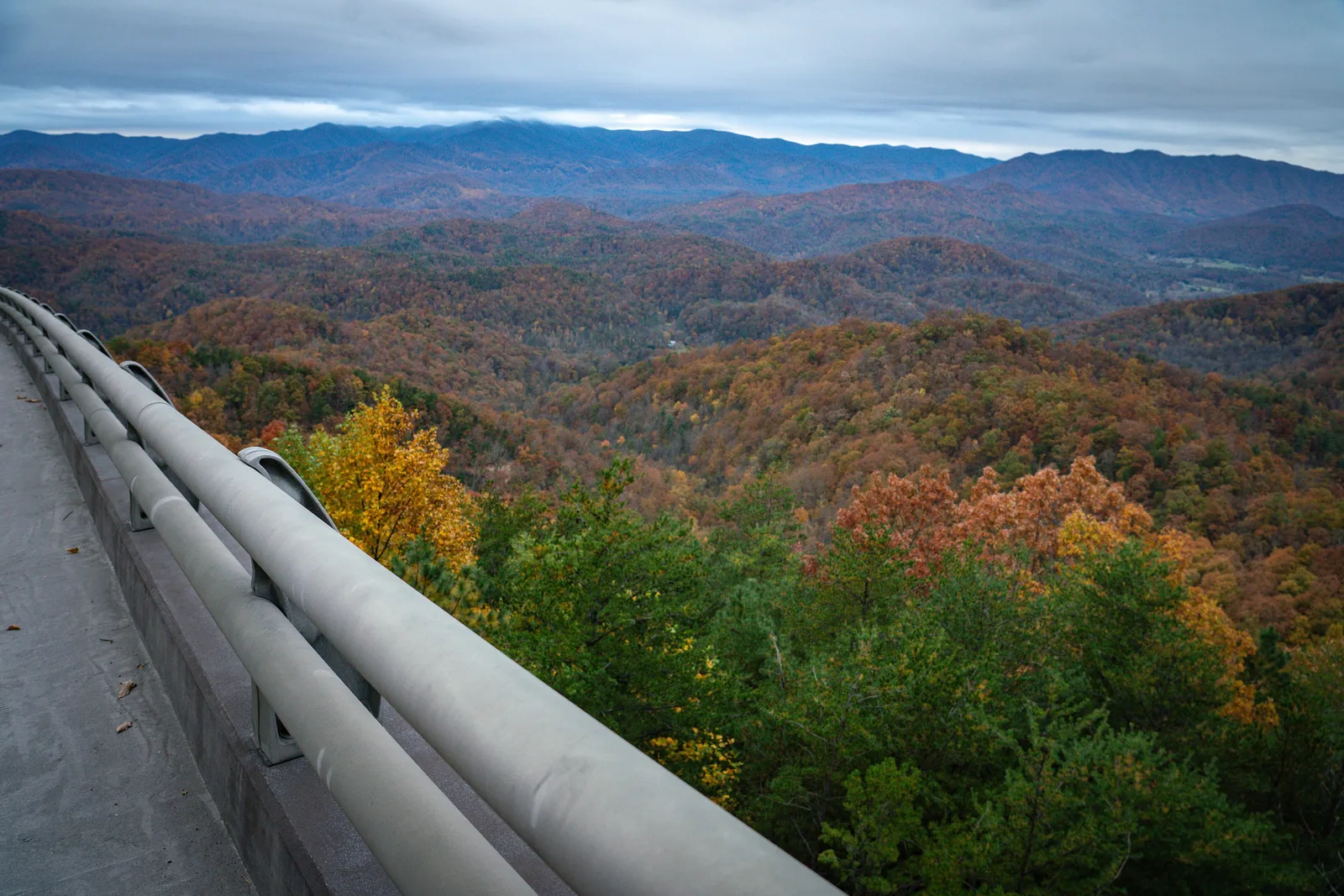
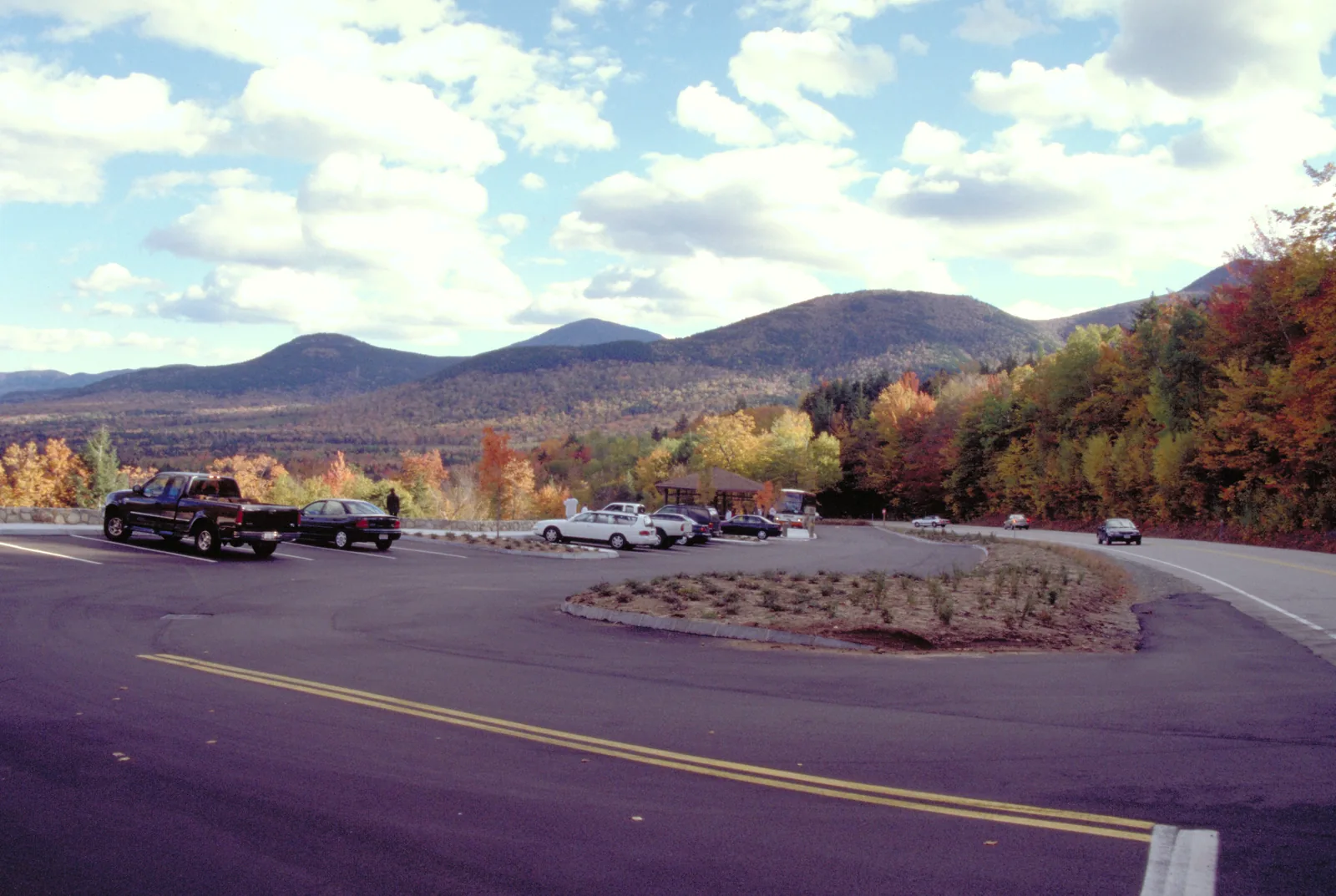
Rest areas are fine, but the best stops are the ones you would remember. A scenic overlook, a small-town main street, a historic marker, a trailhead with a short loop or a nature preserve with a boardwalk all give you a reason to walk. Our guide to finding scenic stops along your route shows how to match stops to your timeline so detours stay short.
If you are traveling abroad, check ahead that you can look up open stops and restrooms on the move. Having travel data plans set up before you land means you are not hunting for a signal at a roadside pull-off in a country you do not know.
Keep your body from stiffening up
Part of the tiredness is physical. Consumer Reports quotes Lynn Millar, Ph.D., a physical therapy professor at Winston-Salem State University, saying that sitting too long compresses the spinal discs and can bring on back pain, numbness or tingling. Her advice is to pull over every two to three hours and stretch.
Three stretches from that article take under three minutes in total:
- Circle your shoulders back five times.
- Hold a lunge for 30 seconds on each side to stretch your calves and hip flexors.
- Do six slow head-draw-back stretches, pulling your chin gently toward your neck.
The same article cites Mary Cushman, M.D., an American Heart Association spokesperson, who says trips longer than four hours raise the risk of deep vein thrombosis, a blood clot in a deep vein, usually in the leg. For passengers, she suggests ankle rolls and alternately flexing and pointing the feet about every half hour. If you have a history of clots or circulation problems, ask your doctor what is right for you before a long trip.
Set up the driver’s seat
Before you leave, sit up straight with your back against the seat, adjust the steering wheel so your arms stay slightly bent, and set the mirrors so you do not need to crane your neck. Small changes at the next stop, like moving the seat forward or back a notch, spread the strain to different muscles.
Share the driving and keep the car engaged
An awake companion is one of the best defenses. Wisconsin’s DOT advises driving with one on long trips, and New York’s page recommends switching drivers when you feel sleepy. New Zealand’s Drive site suggests sharing the wheel with a licensed, experienced driver. If you are traveling with another adult, trade at each stop or every second stop, before the driver is tired rather than after.
If you are traveling in a group of cars, agree on stops ahead so nobody speeds to catch up. WanderWay includes multi-car route coordination, so everyone sees the same route and stops.
If you are the only driver, a passenger still has a job: navigating, finding the next stop, checking restroom locations, or reading the next story aloud. A passenger with something to do stays awake and keeps the driver company.
Make the road itself more interesting
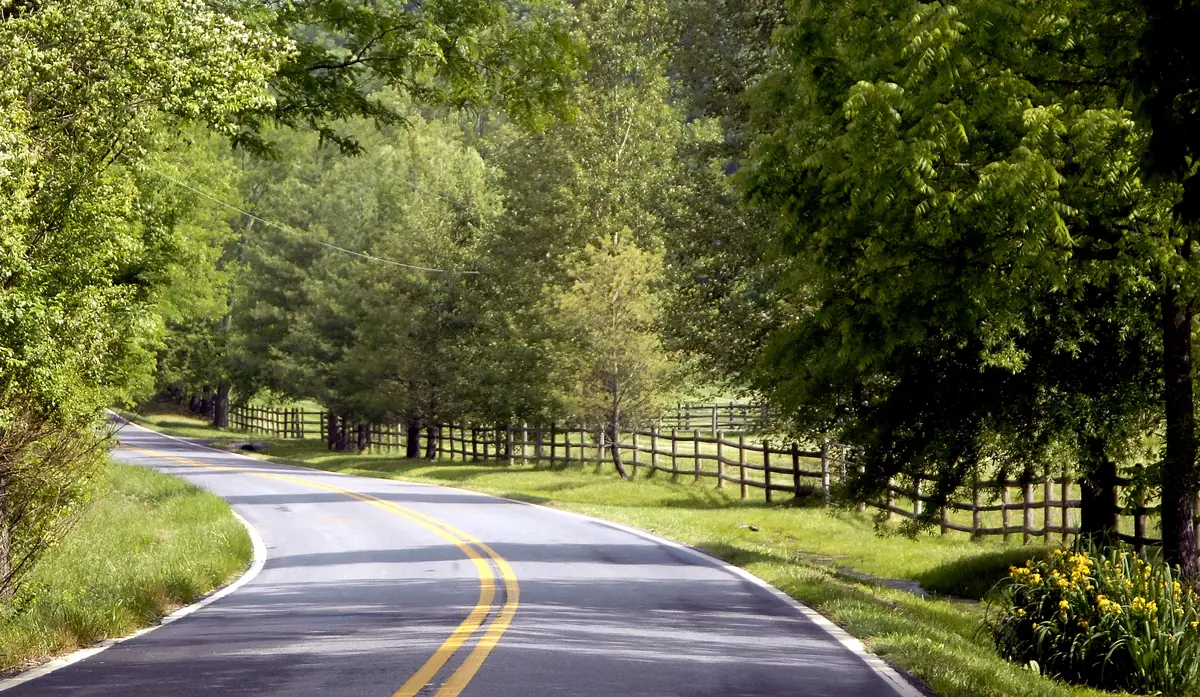
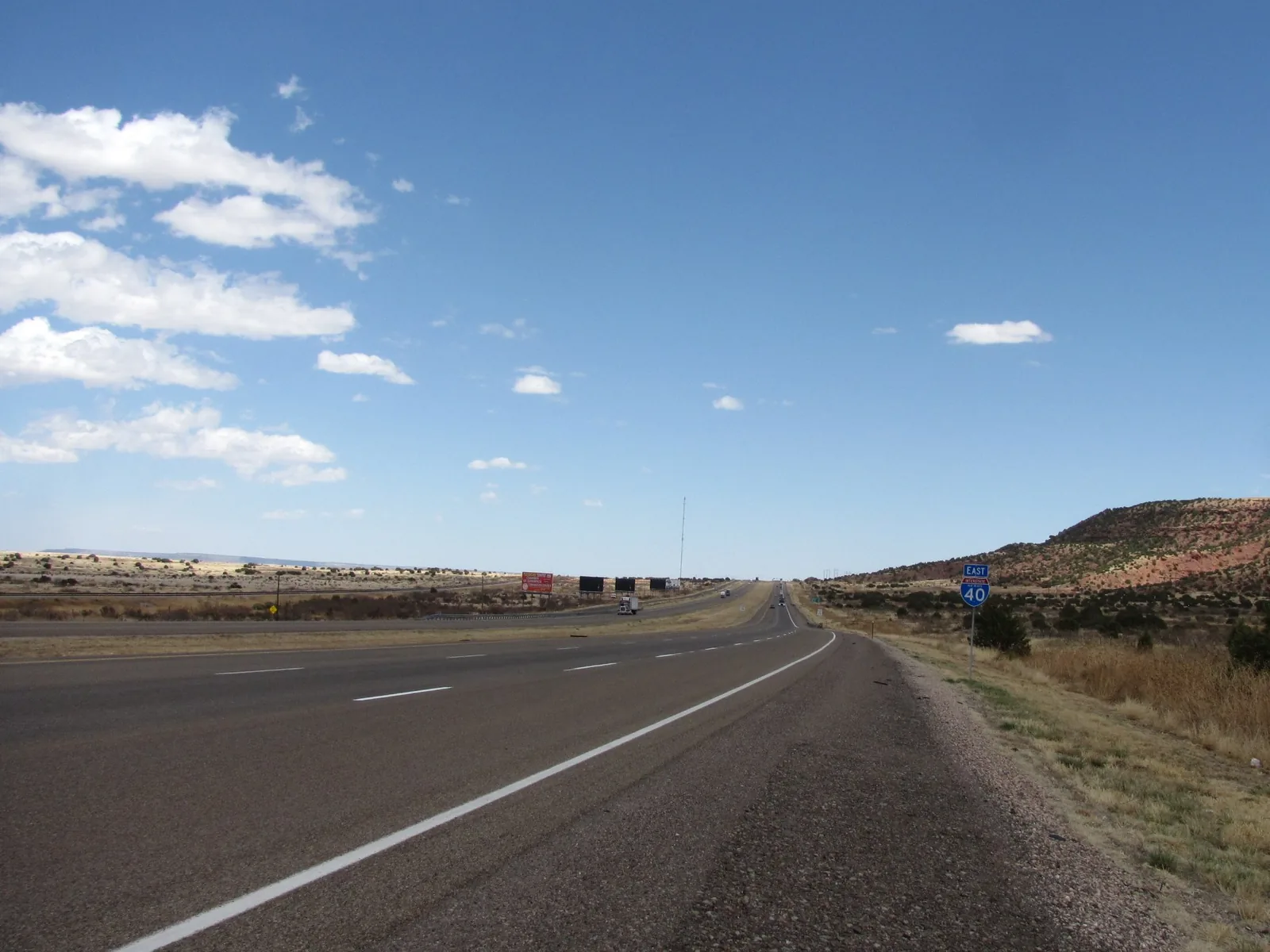
Monotony is a big part of what makes a drive tiring. Long, flat, featureless highway sends the mind drifting. A route with a purpose gives you something to look forward to, and a story attached to a place makes it feel like the miles are going somewhere.
A few ways to do it without distracting the driver:
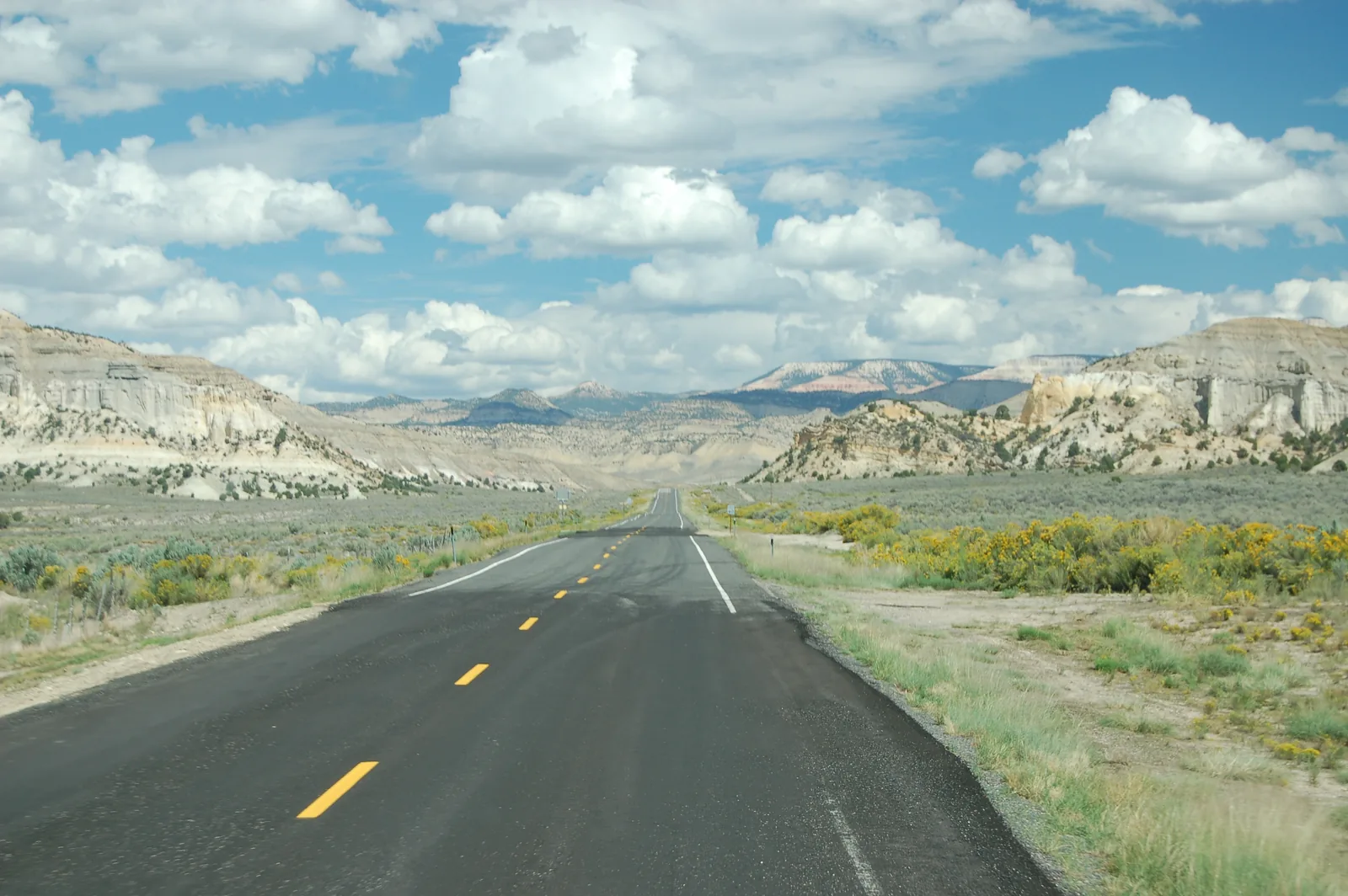
- Choose a scenic road for at least one leg. A winding road with ridge views demands attention in a good way, and it breaks the sameness of interstate hours. Our Pacific Coast Highway guide and Napa to Sonoma routes show how a short, scenic leg changes the feel of a day.
- Plan a themed drive. A self-guided tour built around a single subject, such as a mining history, old roadside architecture or a river, gives the day a thread. We explain how in planning a self-guided driving tour.
- Listen, do not look. Stories, podcasts and audiobooks keep the mind occupied without taking your eyes off the road. Live narration about the places you pass works the same way: it is spoken, so the driver keeps eyes ahead and hands on the wheel.
- Give kids a job. Children get restless first, and a restless back seat tires the driver. Spotting a landmark, collecting a stop on a list, or hearing a simpler version of a story passes the time.
- Keep a journal. A note at each stop gives the passenger something to do and the trip a record. See our road trip journal guide.
One caution: entertainment is not a cure for sleepiness. The Queensland Government warns that caffeine, fresh air and loud music give false confidence, and New York State says opening windows, running the AC or turning up the radio will not keep you awake. Use stories and scenery to make the trip pleasant, and use stops and sleep to stay safe.
Know the signs that you should stop now
The Sleep Foundation lists the warning signs of drowsy driving:
- Frequent yawning or blinking
- Nodding off or trouble holding your head up
- Not remembering the last few miles
- Missing an exit or a sign
- Tailgating
- Drifting into another lane or onto the rumble strips
Any one of these is a reason to stop at the next safe place. Do not wait for your planned break. NHTSA explains why: a microsleep of four to five seconds at 55 mph covers more than 100 yards with you asleep.
What to do when you are sleepy
- Pull into a safe, well-lit rest stop or parking area, not the highway shoulder.
- Take a nap of about 20 minutes. The AA says 15 to 20 minutes, and Drive in New Zealand says no longer than 40 minutes. Set a phone alarm.
- Have one to two cups of coffee before or right after the nap. Wisconsin DOT notes caffeine takes about 30 minutes to work.
- Wait a few minutes after waking before you drive, since sleep inertia lasts up to 30 minutes.
- If you are still drowsy, find a place to sleep. Drive says that when you are still sleepy, the only cure is seven to eight hours of proper sleep.
Let the trip plan do the work

Most of what makes a long drive less tiring is planning that happens before the engine starts: where you stop, when you stop and what you will do there. WanderWay is built around that. It is a driving app for iPhone, iPad, CarPlay and Mac that combines navigation with curated scenic routes and live voice narration about local history and points of interest. You can plan loop or out-and-back trips, download an area and its stories for offline use, and set your scenic preferences.
For families, Family Drives adds restroom and kid-friendly stops along longer trips, and Kids Mode offers child-friendly stops and simplified stories. You can read about both in what’s new in WanderWay.
WanderWay has a free 14-day trial, and some basic features stay free afterward. The full app, WanderWay Unlock, is a one-time purchase of $7.99, with no ads and no subscription. You can try WanderWay here.
A sample plan for a six-hour drive
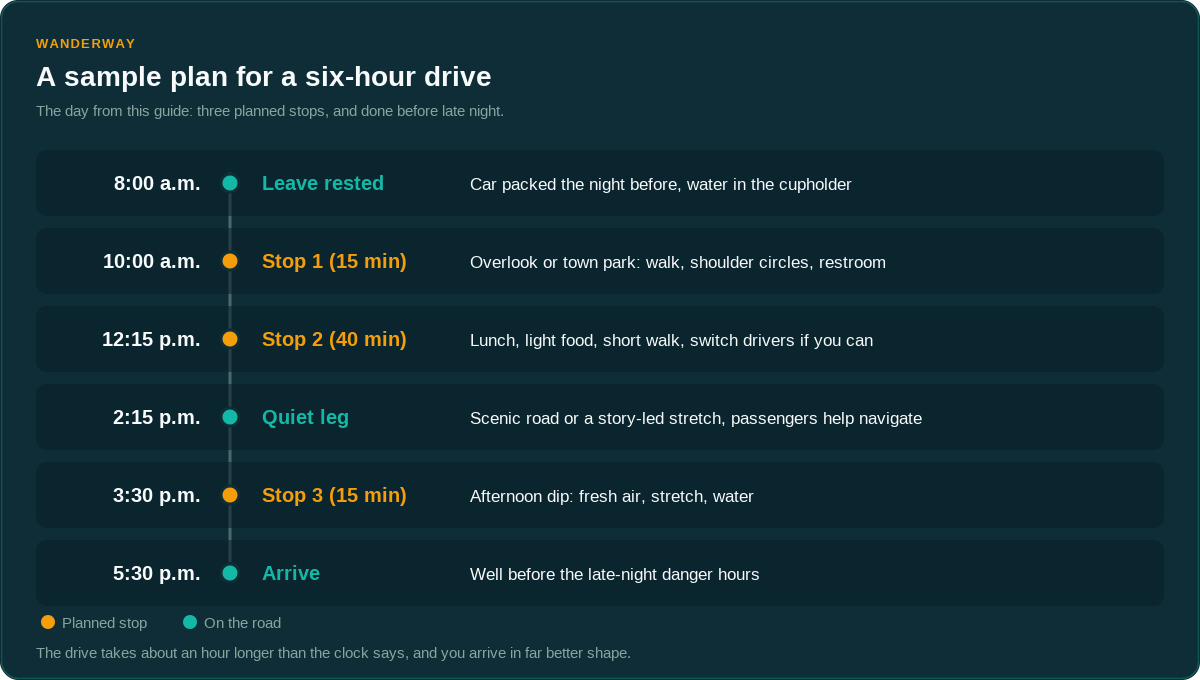
Here is how the pieces fit together for a drive that would otherwise be a single grind.
| Time | Leg | What you do |
|---|---|---|
| 8:00 a.m. | Leave rested | Car packed the night before, water in the cupholder |
| 10:00 a.m. | Stop 1 (15 min) | Overlook or town park: walk, shoulder circles, restroom |
| 12:15 p.m. | Stop 2 (40 min) | Lunch, light food, short walk, switch drivers if you can |
| 2:15 p.m. | Quiet leg | Scenic road or a story-led stretch, passengers help navigate |
| 3:30 p.m. | Stop 3 (15 min) | Afternoon dip: fresh air, stretch, water |
| 5:30 p.m. | Arrive | Well before the late-night danger hours |
The drive takes about an hour longer than the clock says, and you arrive in far better shape. That is the trade: a little time at the start for a lot less fatigue at the end.
FAQ
How do you stay alert on a long drive?
Sleep well beforehand, drive in the morning when you can, and stop every two hours for at least 15 minutes. Share the driving if there is a second driver. If you notice yawning, drifting or missed exits, stop at a safe place and take a 20-minute nap, since NHTSA says coffee and a short nap together are the best short-term option.
Does opening the window or turning up the music help?
Not for long. New York State says these tricks will not keep you awake, and Cornwall Council says they work for only a few minutes while you find somewhere to stop. Treat them as a signal to pull over.
Is it possible to drive 500 miles in one day?
It is possible, but it is a long day. At typical highway speeds, 500 miles is roughly eight hours of driving before stops, and the AA advises no more than eight hours of driving a day. Start early, add stops every two hours, share the driving, and consider splitting the trip over two days.
How can I make a long drive easier with kids?
Stop more often than every two hours, since children need to move sooner than adults. Plan the stops in advance with restrooms and something playful to do, and give kids a small job such as spotting landmarks. Family Drives and Kids Mode in WanderWay are designed for that kind of trip.
Sources
- NHTSA: Drowsy Driving
- NSW Government: Driver fatigue
- New York State Department of Health: Drowsy Driving Awareness
- Wisconsin Department of Transportation: Drowsy driving
- Queensland Government StreetSmarts: Driving tired
- Cornwall Council: Tiredness kills
- Drive (New Zealand): Preparing and planning for a journey
- The AA: Driving Tired
- Sleep Foundation: How to Stay Awake While Driving
- Consumer Reports: How to Stay Comfortable on Long Drives
- Consumer Reports: How to Prep for a Road Trip