Family Road Trip Planning: A Step-by-Step Guide
Get WanderWay on the App Store. Free to try, then a one-time unlock.
A good family road trip is planned around your kids’ rhythm, not around the map. Keep driving days short, schedule a break every couple of hours, and give each day one or two stops worth getting out of the car for. WanderWay, our driving app, is built for exactly this kind of trip: navigation with live narration about the places you pass, plus Kids Mode and Family Drives that line up playful stops and restroom breaks along the way.
The rest of this guide walks through the plan in order: how far to drive, when to stop, how to pick a route and stops, what to pack, and how to keep the back seat engaged for the miles in between.
Make Family Drives More Engaging WanderWay pairs navigation with live stories, playful stops, and restroom breaks to help families make the journey part of the trip. Visit
TL;DR
- Plan around the youngest child: short driving days, a break about every two to three hours, and one or two highlights per day.
- Choose the route for its stops, not just its speed. A slower scenic road with pull-offs often makes for a calmer day than a fast highway.
- Let every child pick one stop, and share a backbone itinerary early so expectations are set before you leave.
- Download maps and stories ahead of time so a weak signal never cancels the fun.
- WanderWay Unlock is a one-time $7.99 purchase after a free 14-day trial, with no ads or subscriptions.
Start with who is in the car
Before you pick a destination, write down the ages of everyone riding. A toddler, a nine-year-old and a teenager each want something different, and the youngest passenger usually sets the pace for the day.
SIXT’s family road trip guide frames the core principle well: plan around the kids’ rhythm, keep driving days shorter, take regular breaks, and aim for one or two highlights a day. It also suggests letting each child vote on one stop, which gives everyone something to look forward to.
Involving the whole family early pays off. Alain Robert, founder of a Canadian travel agency, told AP News to ask each person what they would like to see or do, build a backbone itinerary around those interests, then share it and manage expectations. Doing this at the kitchen table a few weeks out turns the trip into something the kids are already part of.
If your trip crosses a border and you want mobile data without roaming surprises, a travel eSIM data plan lets you keep your regular number for calls and messages while data runs separately. Kids who are helping navigate or look things up en route will notice if the connection drops.
How many hours a day should you drive?
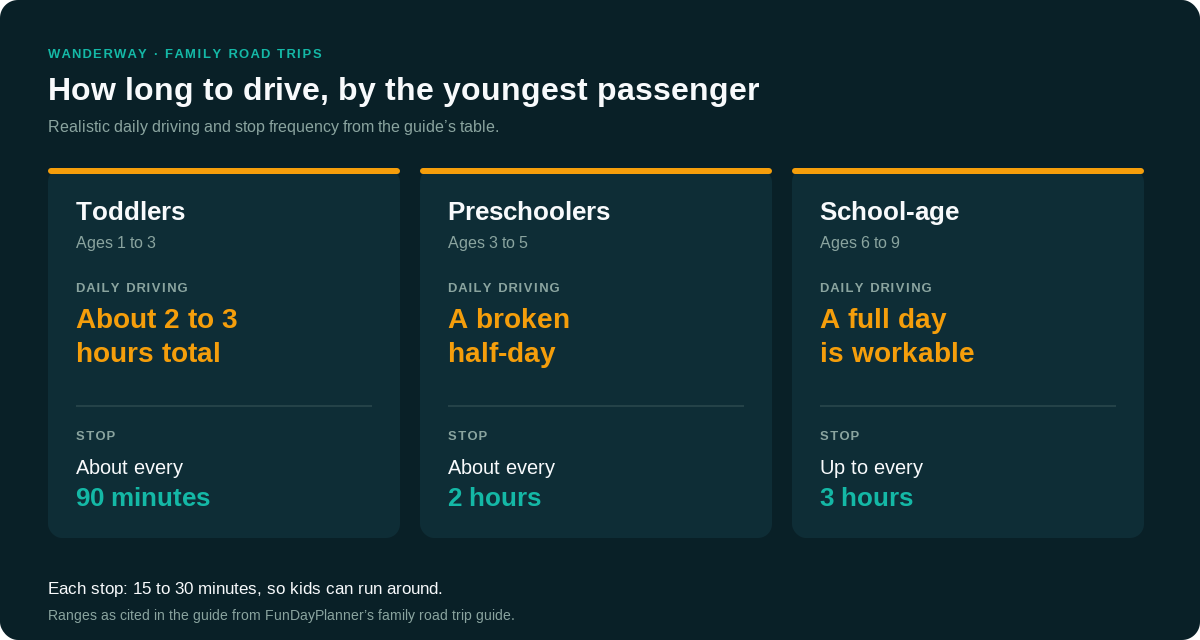
This is the question that most often decides whether a trip is fun or a grind. There is no single answer, but there are useful ranges.
| Child’s age | Realistic daily driving | Stop frequency |
|---|---|---|
| Toddlers (1 to 3) | About 2 to 3 hours total | About every 90 minutes |
| Preschoolers (3 to 5) | A broken half-day | About every 2 hours |
| School-age (6 to 9) | A full day is workable | Up to every 3 hours |
Those ranges come from FunDayPlanner’s family road trip guide, which also suggests each stop last 15 to 30 minutes.
For trips with young children generally, Penn State’s Thrive clearinghouse advises stopping about every 2 to 3 hours on day trips and every 4 to 6 hours on night trips. It also recommends traveling during a child’s natural sleep stretches, such as early morning, nap time or overnight, and keeping children within line of sight at every stop.
The cap on total driving matters too. One family told AP News that after an eight-hour driving day left no room for their planned detours, their lesson was to keep daily driving to six hours or less if you want time to explore. A simple way to apply this: take the hours your map app shows, add the breaks, and ask whether you would still be smiling at the end of that day.
A worked example
Say you are driving a family with a 2-year-old and a 7-year-old from Nashville to Gatlinburg, Tennessee, a trip of roughly four hours of pure driving. With stops every 90 minutes to two hours and each lasting 20 to 30 minutes, you are really looking at a five and a half hour travel day. Leave right after breakfast, plan lunch at a park or playground, and aim to be at the hotel by mid-afternoon. That leaves the kids with energy left over and gives you room for a scenic pull-off if something catches your eye.
Build the day around breaks, not around gas stations
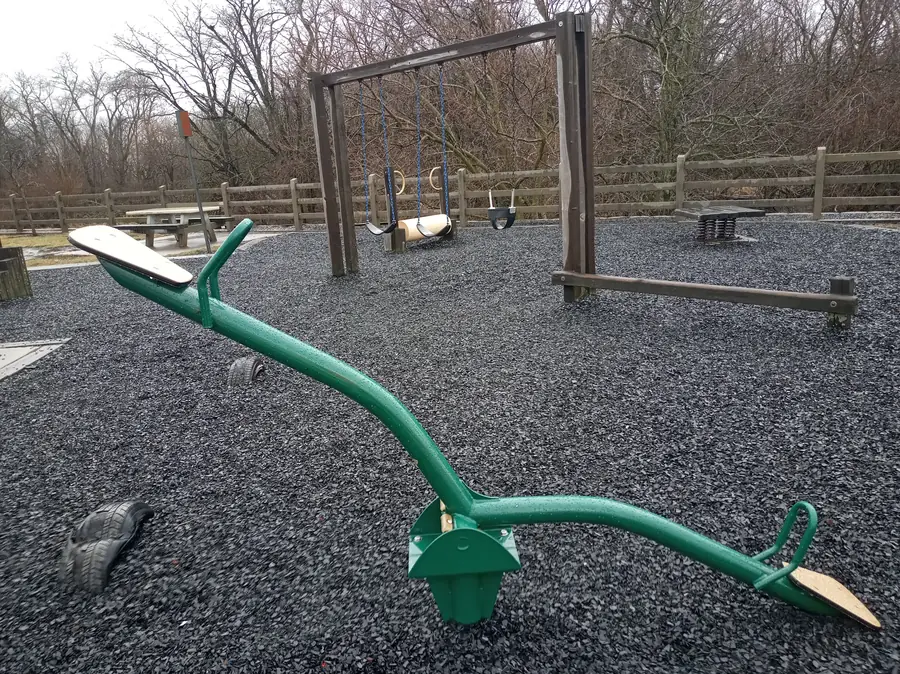
Most parents plan to stop “when someone needs to.” By then it is already too late. Instead, mark your breaks on the route before you leave, and make them places kids actually want to be: a playground, a shaded trail, a visitor center, a children’s museum, a farm stand or a picnic area with room to run.
A break works best when it has three things:
- Restrooms. Check this first. A scenic overlook with no facilities is a great photo stop but not a break.
- Space to move. Fifteen minutes of running burns more energy than an hour of snacks.
- Something to look at. A short story or a fact about the place gives the stop a purpose beyond “stretch your legs.”
The second point is the one adults forget. Highway service plazas are spaced for cars, not for children. Planning your own stops lets you choose places that suit your kids, and it is why Family Drives in WanderWay is built around restroom and kid stops along your route, so you are not hunting for a bathroom at the last minute.
One safety point belongs in every break plan: never leave a child alone in a parked car, even for a quick errand, because a car heats up fast. Take everyone with you, every time.
Pick a route with stops worth making
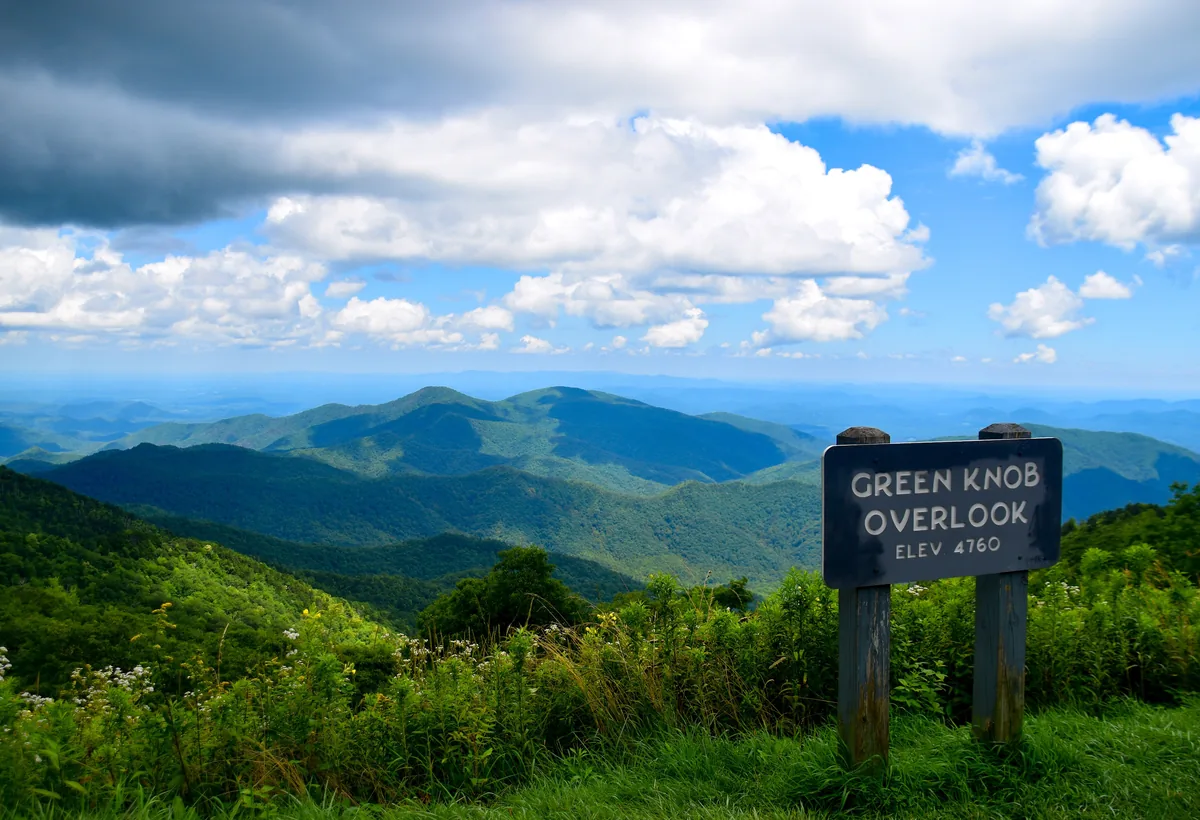
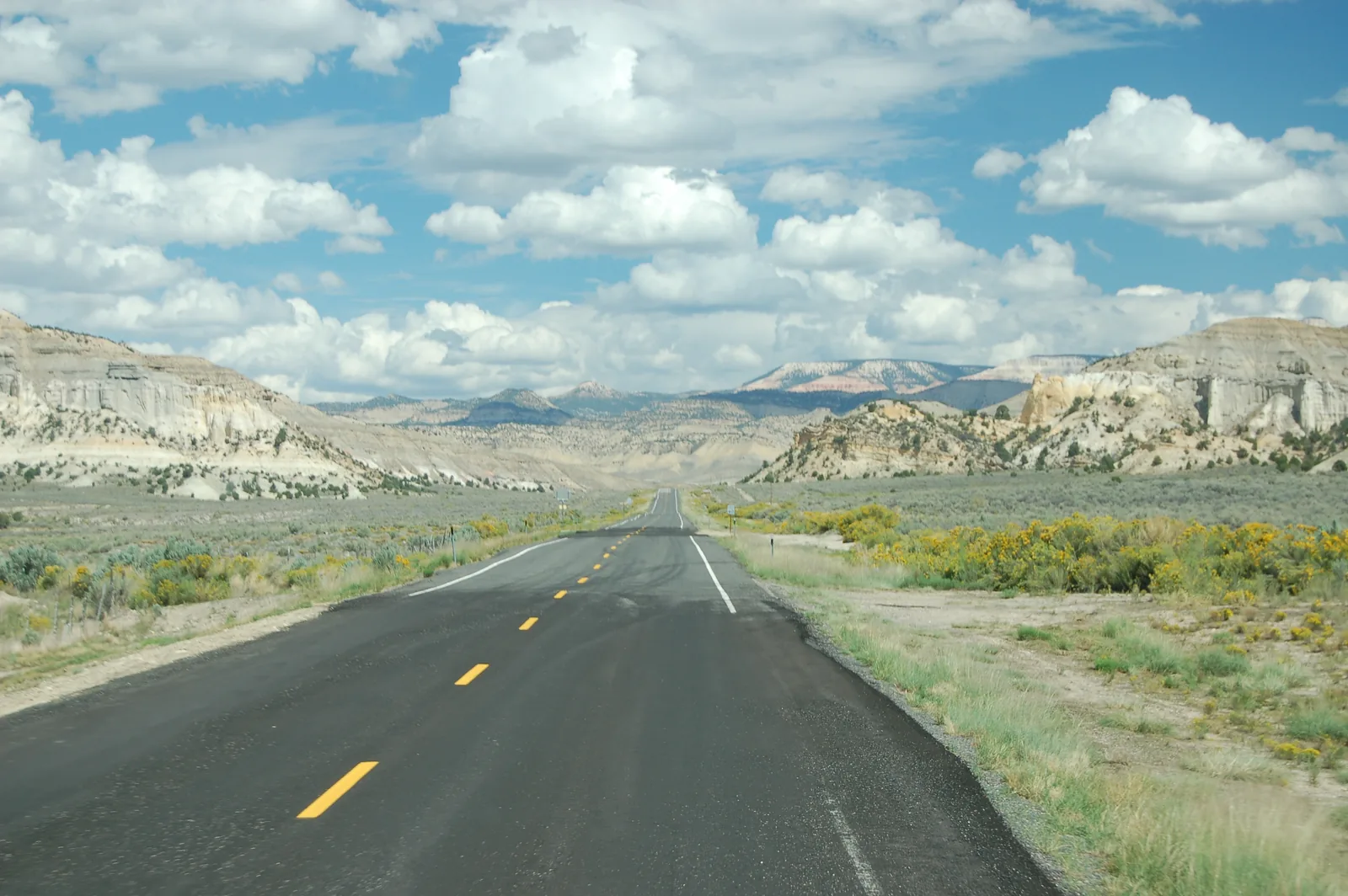
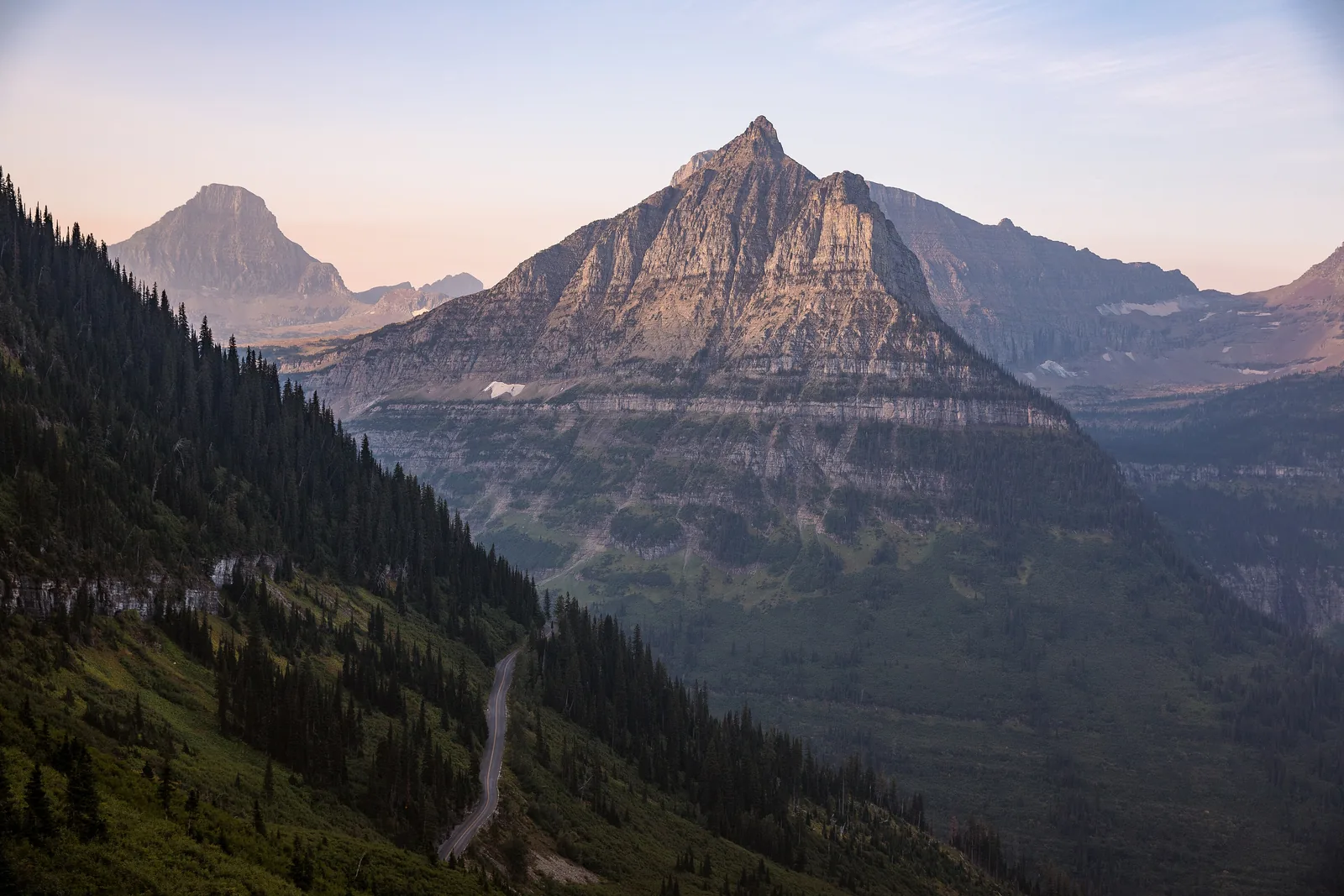
The fastest route is rarely the best one with children. A motorway has regular service stations, but a child’s needs do not line up with their spacing. The RAC, in its guide to road trips with kids, notes that scenic routes take longer but allow more frequent pull-overs, and that making the journey part of the trip by stopping at attractions on the way can reduce stress.
That advice is from the UK, but it holds on American roads just as well. Think of a day on the Blue Ridge Parkway, a coastal highway or a route through Vermont’s back roads. Each of those has overlooks, small towns and landmarks every few miles, which makes the day easier to break up.
Stops kids tend to enjoy
- Playgrounds and town parks for burning off energy
- Shaded waterfall trails and short nature walks
- Tide pools, when the tide chart cooperates
- Visitor centers with hands-on exhibits
- Historic landmarks with a good story attached
- Roadside oddities and classic diners
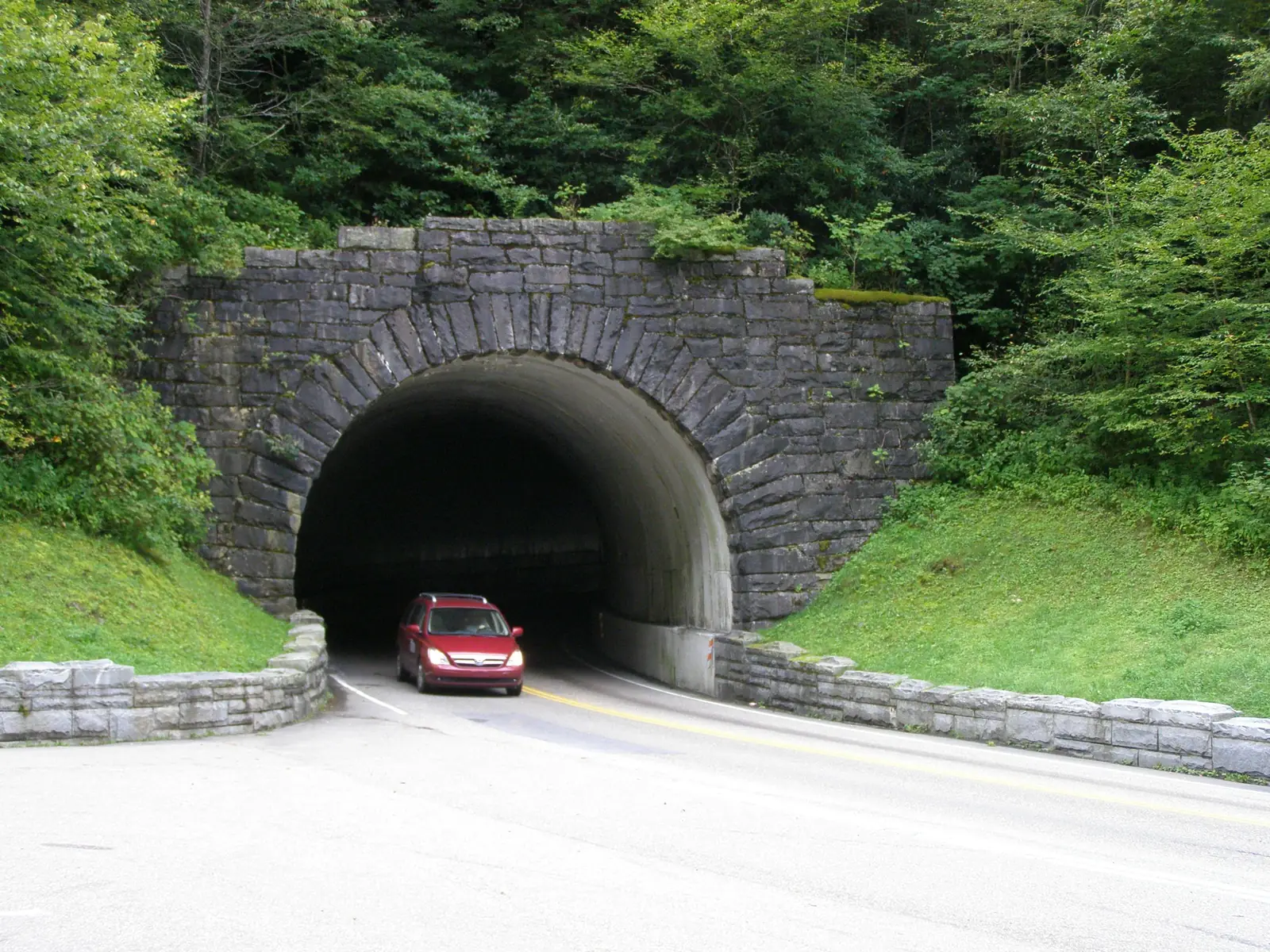
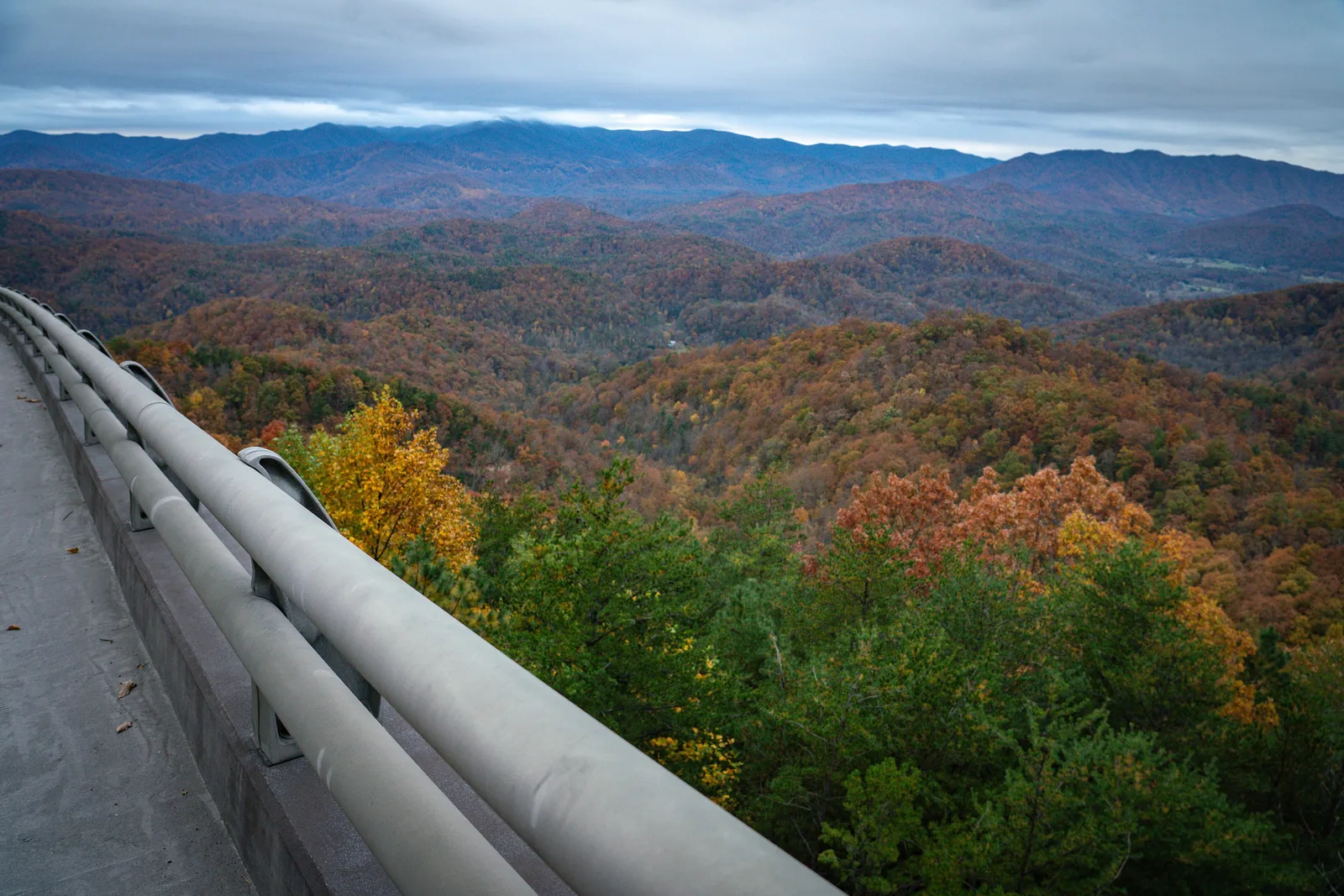
The last two are where local storytelling helps most. A covered bridge is just a bridge until someone tells your kids why it was roofed over. With WanderWay, live narration tells you the stories of the places you pass, so the landmarks become part of the ride rather than something you look up later. If you want to see how this works on a real route, our Great Smoky Mountains and Gatlinburg scenic drives page shows the kind of stops and stories we mean, and our guide to finding scenic stops along your route walks through the process step by step.
Write the itinerary in layers
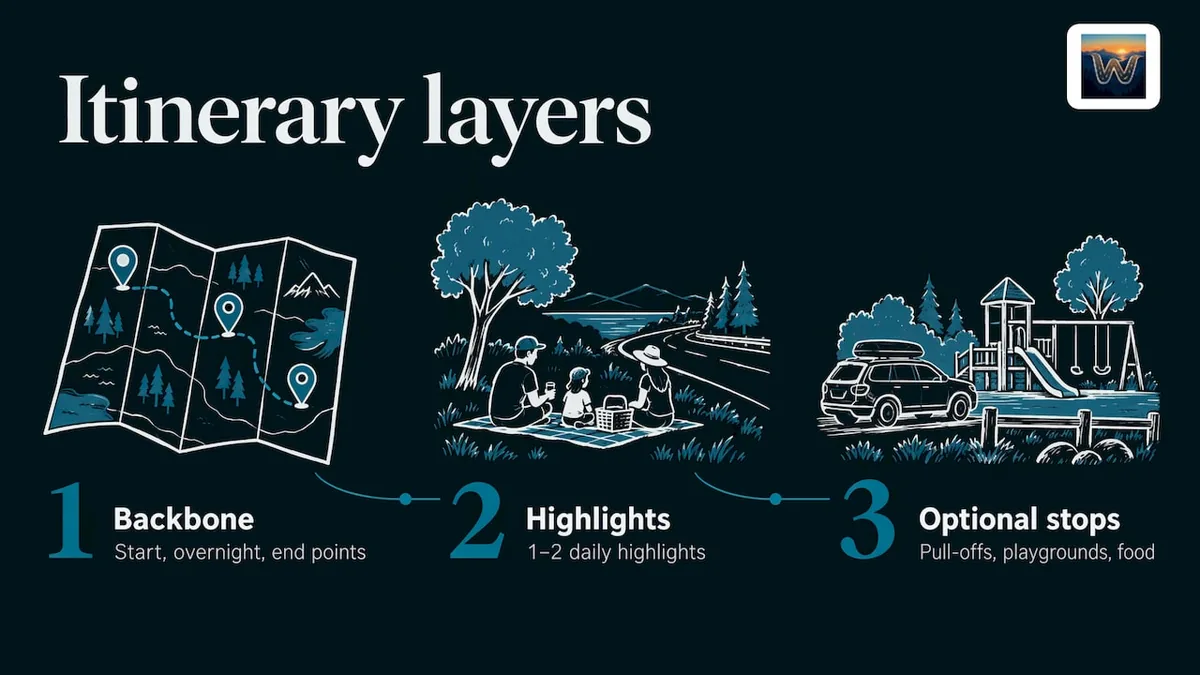
A rigid hour-by-hour plan breaks on the first diaper change. A layered plan survives.
Layer one: the backbone. Your start point, overnight stops and end point. Share this with the family early.
Layer two: one or two highlights per day. These are the stops you would be disappointed to miss. Let each child choose one across the trip.
Layer three: optional stops. A short list of pull-offs, playgrounds and food stops you can take or skip depending on how the day is going.
This structure works because you never have to decide whether to “cancel” something. You just move down a layer. If everyone is tired, you skip the optional stop. If the kids are full of energy, you add one.
If you like a more structured approach, a self-guided driving tour is a route with a theme, such as local history or a scenic loop, where stops are chosen in advance. It is a good fit for older children who enjoy a bit of a narrative.
Loops and out-and-backs
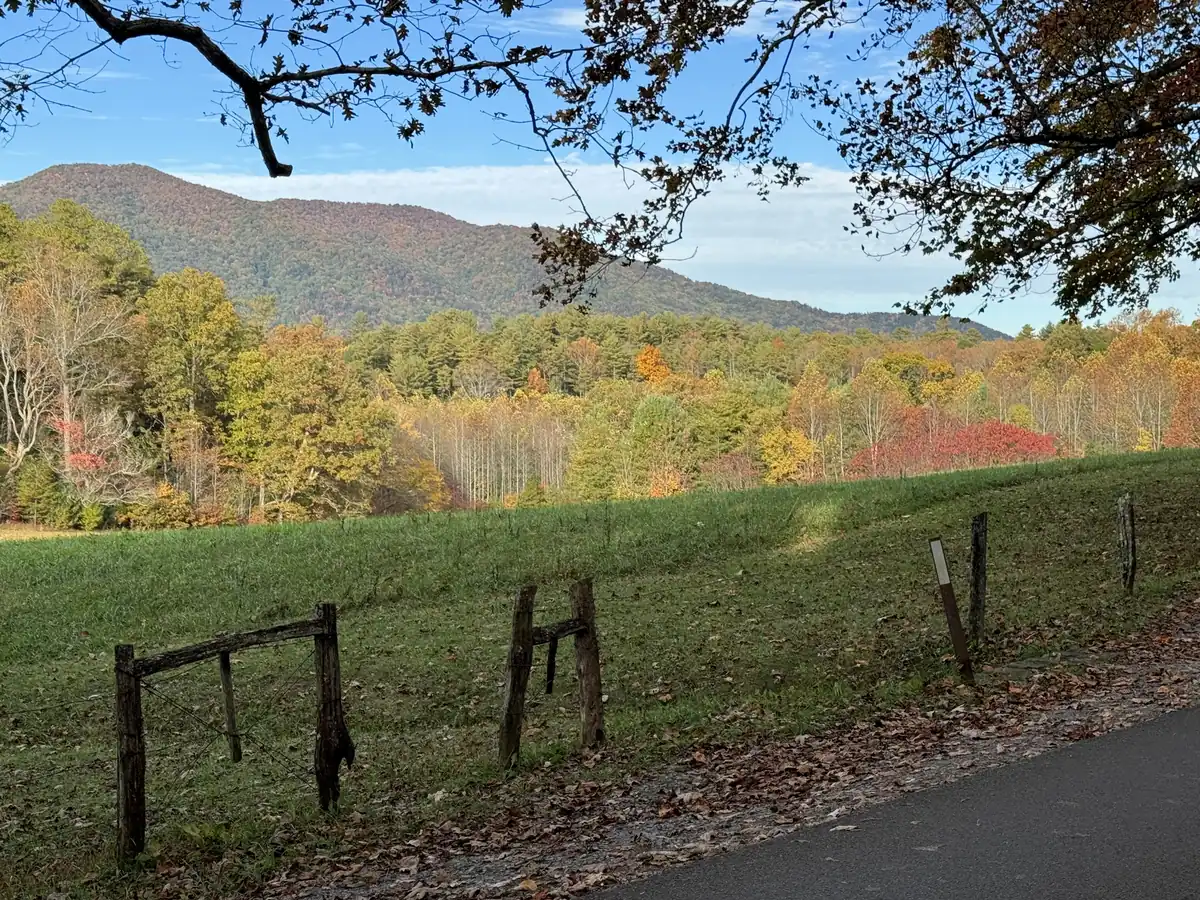
If you are staying in one place for several days, plan day trips as loops or out-and-back drives rather than long one-way transfers. A loop means you see new scenery the whole way, and an out-and-back lets you return to a favorite stop. WanderWay supports both loop and out-and-back trip planning, so you can set up a day drive from your hotel without building it by hand.
Set a budget before you set the route
The biggest costs on a family road trip are usually lodging, food, fuel and one or two paid activities. A sensible approach is to decide the number you are comfortable with first, then fit the route to it. Pick one “big ticket” activity for the whole trip, such as a national park pass, a theme park day or a boat tour, and keep the rest free or cheap: trails, beaches, playgrounds and scenic overlooks cost nothing and are often the moments kids remember.
Plan meals the same way. Packing a cooler for lunch means you can stop wherever the view or the playground is best, rather than wherever the restaurants are. Save sit-down meals for dinner when everyone has had a day of fresh air.
What to pack for kids in the car
Packing for a family road trip is mostly about reachability. Everything you will need during the drive should be within arm’s length of an adult, not buried in the trunk.
- Snacks and water. Plenty of both, especially for remote stretches.
- A change of clothes for each child, in the front, in case of spills or motion sickness.
- Wipes, tissues and a small trash bag.
- Car seats that fit each child’s age and size, correctly installed before the trip.
- Entertainment, downloaded in advance: audiobooks, music, shows for tablets.
- Analog backups. AP News’s family reported that even older kids enjoy a deck of cards or a paper atlas.
For toddlers, add a favorite blanket or toy, a sunshade for the window and a few new small items to hand out when patience runs low.
Keep the back seat engaged
Miles between stops are where most of the complaining happens. Three habits help.
Give the kids a job. Ask your 8-year-old to watch for the next landmark, or let a teenager read the story of the next stop aloud. Children who feel involved ask fewer times how long until you arrive.
Use games that use the view. Tourism Australia’s family road trip tips suggest “I spy”, road-trip bingo cards to color in, and collecting postcards to mail from each town. All of these work just as well on a US road trip.
Add stories. Live narration is the easiest way to turn a stretch of highway into something kids pay attention to. In WanderWay, Kids Mode offers child-friendly stops and simplified stories, so younger passengers can follow along too.
A co-pilot helps as well. Designate one adult to handle the back seat, snacks and music while the other drives, and swap at stops. Prevention beats intervention: regular breaks before anyone melts down are easier than fixing a meltdown at 65 miles an hour.
Prepare for poor signal
Many of the best family drives, such as mountain roads, national park routes and rural byways, are also the ones with the weakest coverage. Download what you need before you leave: maps, entertainment, and any stories or place details you want to hear along the way. WanderWay lets you download areas and stories for offline use, and offline place details let you explore what is along your route even without a signal.
Keep a record of the trip
Kids remember trips through small details: the diner with the giant statue, the overlook where it rained, the town with the strange name. A simple travel journal makes those details last. Our guide on what to write in a road trip journal covers how to set one up, and WanderWay includes a travel journaling feature so entries can sit alongside the places you visited.
Traveling in more than one car
If grandparents or friends are joining you in a second vehicle, agree on the stops in advance and on what happens if you get separated. WanderWay offers multi-car route coordination for this situation, so both cars follow the same plan.
Try WanderWay on your next family drive
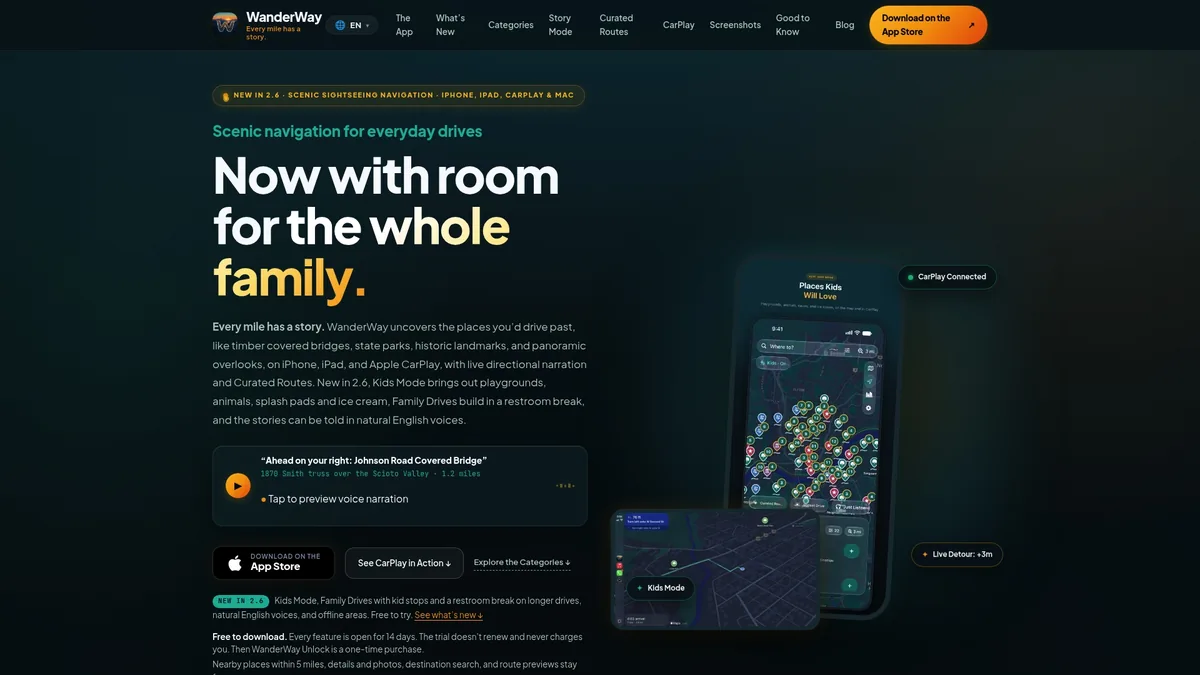
If you want one app to handle route, stops and stories, WanderWay is designed for it. It runs on iPhone, iPad, CarPlay and Mac, and combines navigation with curated scenic routes, live narration about local history and points of interest, Kids Mode, Family Drives with restroom and kid stops, and offline downloads.
You can try everything free for 14 days. After that, some basic features stay free, and WanderWay Unlock is a one-time purchase of $7.99, with no ads and no subscription. Get it on the WanderWay page, or see what Kids Mode and Family Drives include in what’s new in WanderWay 2.6.
FAQ
How many hours a day should you drive on a family road trip?
For most families, six hours or less of driving a day leaves room to explore. With toddlers, plan on about two to three hours total, and with school-age children a full day is workable if you break it up with stops every two to three hours.
How often should you stop with young kids?
Penn State’s Thrive clearinghouse advises stopping about every 2 to 3 hours on day trips and every 4 to 6 hours on night trips. Toddlers often do better with a stop closer to every 90 minutes, and each stop should last 15 to 30 minutes so children can run around.
How do you plan a road trip with toddlers?
Keep driving days short, travel during nap time or early morning when possible, and plan stops with restrooms and room to move. Pack snacks, a change of clothes and favorite comfort items within reach, and never leave a child alone in the car.
How do you keep kids entertained on a long drive?
Mix games, downloaded audio and stories about the places you pass. Give each child a role, like spotting the next landmark, and let them choose one stop on the trip. Kids Mode in WanderWay offers simplified stories so younger passengers can join in.
What is the best way to find family-friendly stops along a route?
Look for playgrounds, town parks, visitor centers, short trails and landmarks with a story, then confirm restrooms before you commit. WanderWay’s Family Drives feature adds restroom and kid stops to your route so you do not have to search for them while driving.
Sources
- The Family Road Trip Guide, SIXT
- How to survive and thrive on a family road trip, AP News
- Road Trips with Young Children, Penn State Thrive
- Family Road Trips: The Complete Guide to Happy Miles, FunDayPlanner
- Family Road Trips: The Ultimate Survival Guide, RAC Drive
- Tips for a great family road trip in Australia, Tourism Australia